
If your outboard has been running rough or bogging down, a Seafoam shock treatment is a cheap, easy fix that burns out carbon buildup from your engine and carburetor. Brandon walks through the full process step by step.
If your boat motor has been running rough, losing power, or bogging down under load, there's a good chance carbon buildup is the culprit — especially on older motors. Brandon's go-to fix is a Seafoam shock treatment: a simple, inexpensive process that burns that carbon out of your engine and carburetor and gets you back to running smooth. Here's exactly how to do it.
What a Seafoam Shock Treatment Does
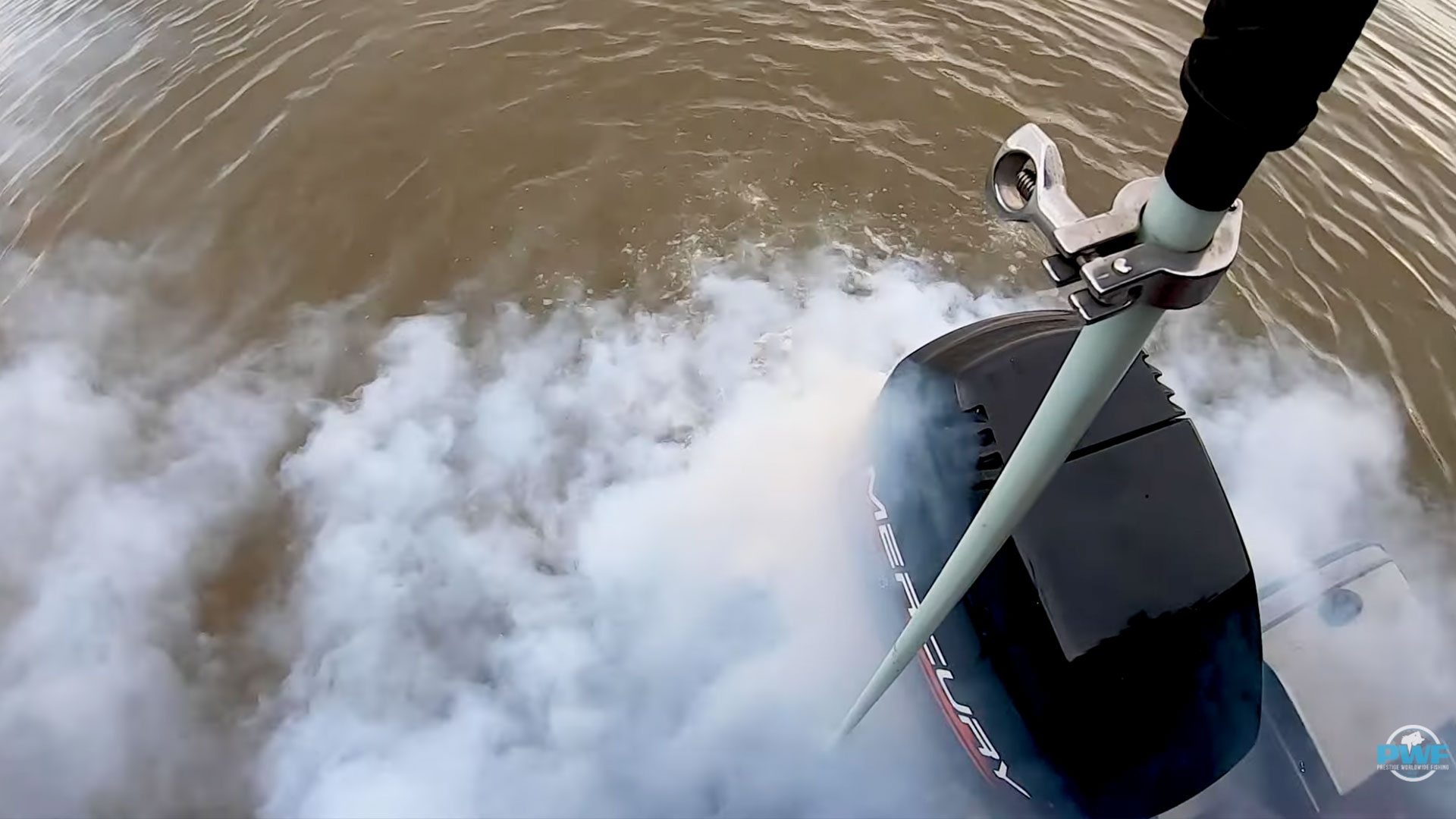
Seafoam is a petroleum-based engine cleaner that dissolves carbon deposits, varnish, and gum buildup inside your engine and carburetor. A shock treatment — running a concentrated mix through the motor — accelerates that cleaning process dramatically. You'll know it's working because the motor will produce a significant amount of white smoke as it burns the carbon off. That's completely normal, and it's exactly what you want to see.
What You'll Need
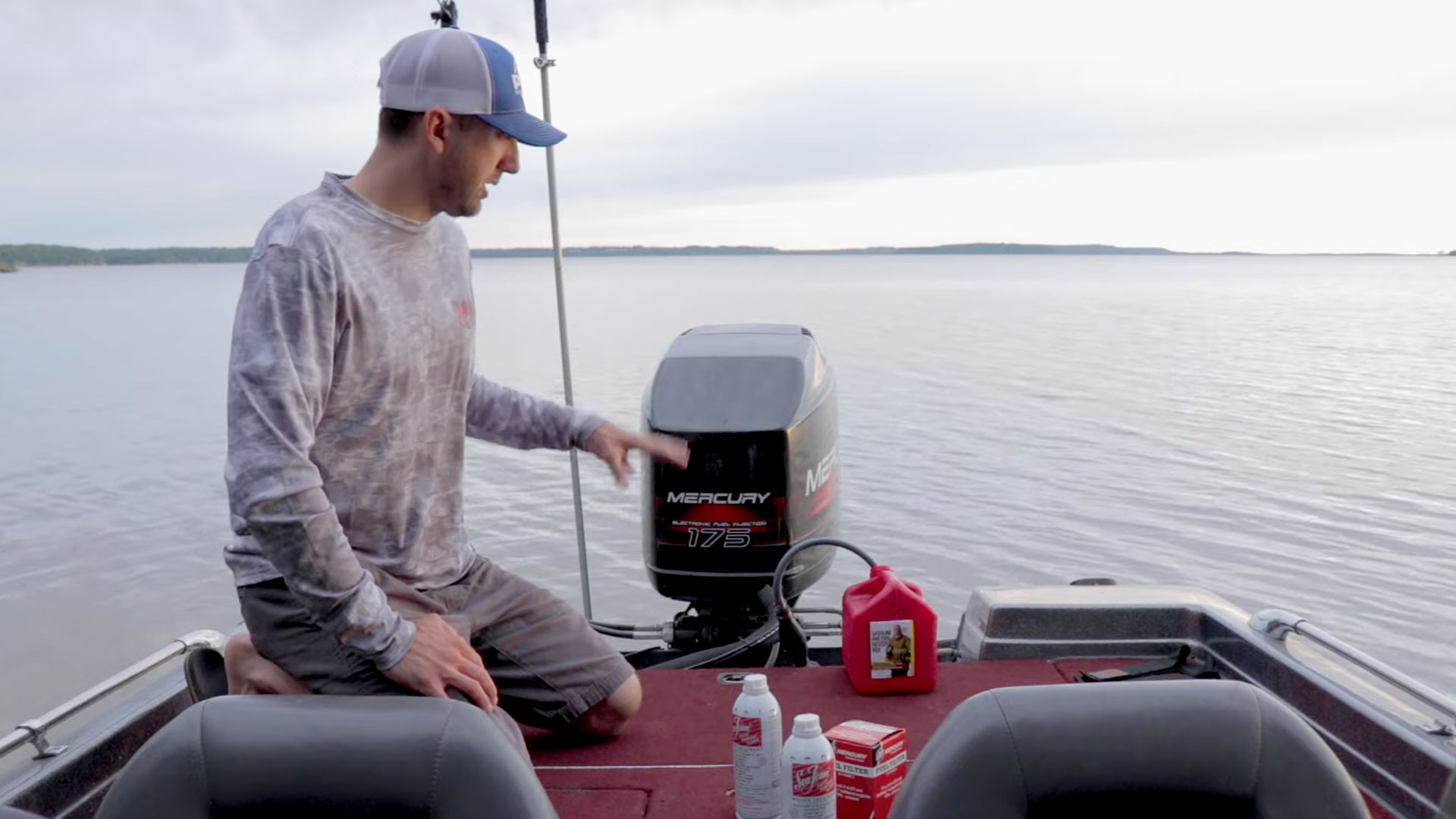
The supply list is short and inexpensive: one full can of Seafoam, a gallon gas can (filled about 3/4 full with fresh no-ethanol fuel), and a spare fuel line with a primer bulb. Brandon recommends picking up a new fuel line on Amazon rather than disconnecting anything at the motor — you just disconnect your existing line at the bulb and connect the new one. Keeps things clean and simple.
You'll also want a new fuel filter and a set of fresh spark plugs ready to go for the end of the process.
Setup: Location Matters
This treatment produces a lot of smoke — enough to clear out the neighbors. Do this at the lake or somewhere open with the motor in the water so it stays cool while running. Anchor up before you start.
Before you begin, run the motor for about 5 minutes to warm up the intake. Brandon trolled to his spot so the motor was already warmed up when he started.
The Process: Run, Rest, Repeat
Pour the full can of Seafoam into your 3/4-full gallon of no-ethanol gas and connect it to your motor via the spare fuel line. Then follow this cycle:
Run for 15 minutes. Let the motor idle at first — this burns carbon off the engine internals. Periodically throttle up during the run. Revving it opens up the carburetor and burns the buildup out of there too. Brandon's carburetor was his main issue — it was bogging down under load — and the throttle cycles are what clears that out.
Rest for 5 to 15 minutes. Shut it off and let it cool. Then repeat. Plan on two to four cycles, or until the gallon of Seafoam mix is gone. By round two you'll typically see heavier smoke as the deeper carbon starts burning off.
Finishing the Job
Once the treatment is done, there are three more steps that complete the cleanup:
New fuel filter. Before reinstalling the fuel filter, fill it about 3/4 of the way with straight Seafoam. This keeps the cleaning process going as you run the motor normally over the next few trips.
Seafoam in the main tank. Pour a second can of Seafoam into your regular gas tank. This cleans any fuel deposits or varnish sitting in the tank and keeps the fuel system clean going forward. No-ethanol fuel is the right call here anyway — ethanol attracts water and breaks down faster, which is part of what causes deposits in the first place.
New spark plugs. With the motor freshly cleaned out, it's the perfect time to swap in new plugs. Fresh plugs after a carbon cleaning means you're starting with a completely clean system — and you'll notice the difference immediately in how the motor starts and runs.
How Often Should You Do This?
Once a year is a solid maintenance cadence, though every couple of years works fine if your motor is running well. It's a cheap, low-effort job that can save you from a carburetor rebuild or fuel system repair down the road. If you've got an older motor that's been sitting or running rough, this is the first thing to try before spending money on anything else.
.jpg)
